Elevate Your Hair: Essential Benefits of Hair Keratin Treatment to Discover
Keratin hair treatments have become increasingly popular for their ability to transform the texture and appearance of hair. By infusing keratin, these treatments aim to reduce frizz and enhance shine. Numerous people pursue this option in search of softer, easier-to-manage hair. However, the process and its implications require careful consideration. Understanding the nuances of keratin treatments can lead to informed decisions about one's hair care routine. What should a person realistically expect from this type of treatment?
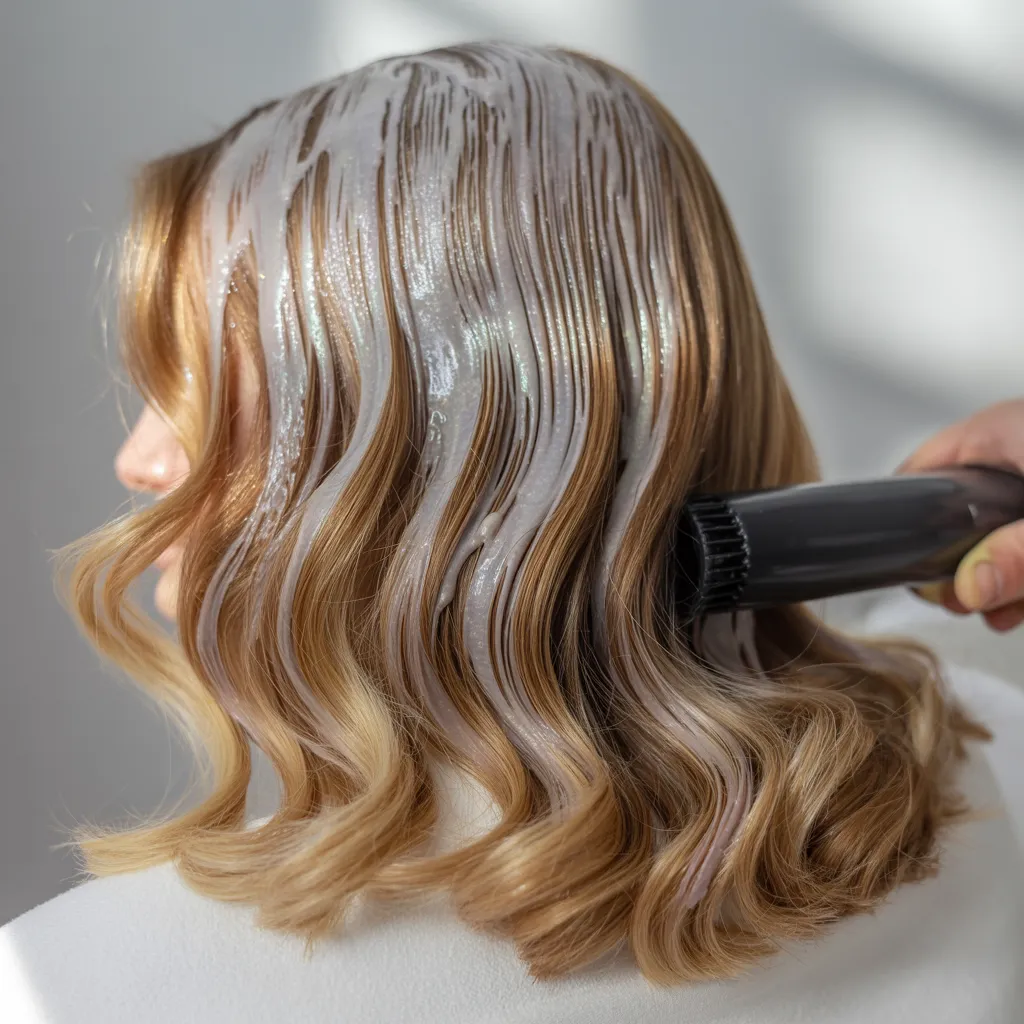
Understanding Hair Keratin Treatments: An Overview of Their Purpose and Function
Precisely what are hair keratin treatments, and how do they work? Hair keratin treatments are treatments performed in salons designed to strengthen and smooth hair by introducing keratin, a natural protein that comprises a large part of hair structure. In the course of the treatment, a keratin solution is carefully applied typically blended with various chemicals, to the hair shaft. Heat is then applied to lock in the solution, allowing the keratin to absorb into the hair more thoroughly.
The treatment works by repairing and filling damaged sections of the hair cuticle, producing a noticeably smoother texture. This procedure minimizes frizz while boosting shine, resulting in easier-to-manage hair. Typically, the results can last several weeks, depending on hair type and maintenance. In general, hair keratin treatments provide an effective way to enhance hair texture and appearance, making them a popular selection for those aiming to elevate their hair's health and overall look.
Main Advantages of Keratin Solutions for Frizz Management
Keratin treatments provide notable benefits for people battling unwanted frizz. Primarily, these treatments work by infusing the hair with keratin, a naturally occurring protein that softens the hair cuticle. This process effectively reduces the porosity of the hair, helping it to preserve moisture and fight humidity—two common culprits of frizz.
In addition, keratin treatments improve hair maintenance, making it effortless to style. The sleek finish attained through these treatments not only reduces frizz but also imparts a radiant shine, giving the hair a more nourished feel.
Furthermore, these treatments can save time during styling; less time is spent blow-drying and flat-ironing. As a result, clients can take advantage of long-lasting effects, resulting in less daily upkeep. By addressing texture and frizz head-on, keratin treatments provide a practical solution for people who want smooth, frizz-free hair.
Keratin Treatments Duration: How Long Can You Expect Them to Last?
The longevity of keratin treatments differs, generally ranging from three to six months. A number of factors, including hair type, product quality, and aftercare routines, can influence this longevity. Understanding maintenance tips may maximize the lasting results of these treatments.
Common Treatment Duration
Lasting results are a primary concern for individuals considering a keratin treatment. In most cases, the benefits of a keratin treatment persist for three to six months, based on considerations including hair type and upkeep practices. People frequently notice smoother, manageable hair during this duration, which greatly reduces styling time and improves manageability. The process operates by embedding keratin—an organic protein—into the hair, establishing a protective coating. Over time, as the hair undergoes washing and styling, the treatment gradually fades. Regular touch-ups can extend the benefits, allowing individuals to enjoy their transformed hair for a longer duration. At its core, grasping the usual lifespan of the treatment supports clients in establishing practical expectations for their hair care routine.
Elements That Impact Duration
While numerous people expect the polished results of a keratin treatment, multiple elements heavily impact how long the effects will last. First, the hair type serves a critical purpose; those with coarse or curly hair often enjoy longer-lasting outcomes compared to those with fine or straight hair. The grade of the keratin product used also plays a role, as superior quality products typically offer more durable outcomes. External factors, such as sun exposure, chlorine, and humidity, can reduce how long the treatment lasts. Additionally, the frequency of washing and the hair care products selected can notably influence the treatment's staying power. Finally, the skill level of the stylist administering the treatment can influence the degree to which keratin adheres to the hair, thereby affecting how long the results endure.
Care Tips for Extended Longevity
Proper maintenance is key to maximizing the duration of keratin treatments. To achieve longevity, individuals should avoid washing their hair for at least 72 hours post-treatment, allowing the keratin to fully bond. At wash time, sulfate-free shampoos should be used, as sulfates have the potential to diminish the treatment's effects. Reducing hair washing to two to three sessions weekly can also contribute to sustaining the treatment's results. In addition, utilizing a wide-tooth comb when detangling wet hair can significantly minimize damage. It is advisable to complete guide minimize exposure to chlorine and saltwater, as these can weaken keratin bonds. Routine moisturizing combined with heat protectant application before styling can help prolong the treatment's effectiveness. By adhering to these care guidelines, people can experience silkier, more vibrant hair for a longer time.
What to Expect During Your Keratin Treatment Session
A keratin treatment session delivers a transformative experience for clients who desire smoother, shinier hair. Customers should anticipate the process to last between one to three hours, depending on individual hair length and density. At the start of the appointment, a thorough evaluation is generally carried out to evaluate the hair's current state and identify the most suitable treatment option.
Next, the stylist will cleanse the hair with a purifying shampoo to strip away impurities, followed by the administering the keratin solution. The solution is carefully applied uniformly, to ensure every strand is coated. After allowing the solution to process briefly, thermal heat is applied with a flat iron to seal in the keratin.
Throughout the appointment, customers may notice a slight chemical scent, which is perfectly normal. As the service comes to an end, the hair will look noticeably smoother and more manageable. Customers should exit the salon feeling excited about their fresh new style, with the assurance that the results can remain for several weeks with proper care.
How to Preserve Your Keratin Treatment Results
Aftercare is essential for maximizing the effects of a keratin treatment. It is necessary to avoid water exposure for the first couple of days and to use sulfate-free hair care products to maintain hair integrity. These practices help maintain the treatment's effectiveness and improve the hair's overall condition.
Avoid Water Exposure
Maintaining the effects of a keratin treatment demands careful consideration, especially in the days after the application. A key component of aftercare is preventing water exposure. For at least 72 hours after the treatment, individuals should avoid washing their hair or exposing it to any moisture. This includes avoiding activities that may lead to sweating, such as strenuous workouts or hot showers. Water can deteriorate the keratin bonds that have been carefully incorporated into the hair, undermining the treatment's effectiveness. Additionally, individuals should be mindful about environmental factors, such as rain or humidity. Taking these precautions will help preserve the smoothness and shine achieved through the keratin treatment, ensuring longevity and best results. Diligent post-treatment care plays a critical role in sustaining beautiful, healthy hair.
Choose Sulfate-Free Products
Upon completing the opening 72 hours of avoiding water exposure, using sulfate-free products becomes essential for preserving the benefits of a keratin treatment. Traditional shampoos, which commonly contain sulfates, can remove the hair's essential oils and undermine the treatment's performance. By choosing sulfate-free options, individuals can sustain the shine and smoothness achieved through keratin treatments. These products are milder for hair , aiding in moisture retention and sustain the treatment's effects. Additionally, sulfate-free shampoos frequently include beneficial nutrients that can also boost hair health. Regular use of such products can combat frizz and preserve the smooth, controllable feel that keratin treatments deliver, ensuring long-lasting results and healthier-looking hair overall.
Potential Risks and Key Considerations of Keratin Treatments
Although keratin treatments provide many advantages for hair smoothing and luster, certain risks and considerations deserve careful attention. A key concern involves the formaldehyde found in certain formulations, which can release harmful fumes during application. Extended exposure can result in breathing difficulties or skin irritation. Additionally, individuals with sensitive scalps or allergies may experience adverse reactions, making a patch test before treatment essential.
Another consideration is the longevity of effects; while keratin treatments can deliver smooth results for a few months, maintaining the ideal style requires careful upkeep, including sulfate-free hair care products. Additionally, frequent treatments may result in hair growing overly processed, resulting in brittleness or damage over time.
Finally, it is crucial to seek advice from a professional stylist to ensure that the chosen procedure is appropriate for your hair type and condition, limiting risks while optimizing results.
Questions We Often Receive
Can Keratin Treatments Be Done on Color-Treated Hair?
Yes, keratin treatments are suitable on colored hair. Nevertheless, it's best to wait at least two weeks after color treatment to safeguard the hair's health and maximize the advantages of both procedures.
How Often Can I Get a Keratin Treatment?
Generally, keratin treatments can be performed every three to six months, subject to the specific needs of your hair type and condition. Speaking with a certified hair care specialist can provide personalized recommendations for superior results and overall hair wellness.
Are There Natural Alternatives to Keratin Treatments?
Organic substitutes for keratin treatments consist of coconut oil, argan oil, and aloe vera. These options can enhance hair's hydration and radiance, providing smoother texture and reduced frizz free from the chemicals commonly used in standard keratin treatments.
Do Keratin Treatments Cause Hair Damage?
Keratin treatments may cause damage to hair, particularly if they contain harsh chemicals or are applied excessively. Overuse may lead to dryness, breakage, or weakened strands, emphasizing the importance of professional application and proper aftercare.
Which Ingredients Should Be Avoided in Keratin Products?
Individuals ought to steer clear of keratin formulas containing parabens, formaldehyde, sulfates, and alcohol. Such components can lead to hair irritation, dryness, and damage, undermining the general benefits of keratin products and harming hair condition.